
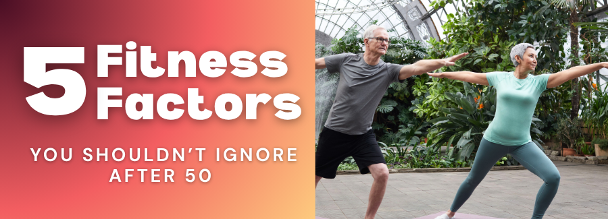
 Have you wondered what factors may be influencing the quality of your workouts? What you do before, after and between workouts can affect how well you move, recover, and keep progressing. Here are five things worth your attention:
Warm Up. You need to prepare your body for exercise. It’s a lot to ask it to go from sitting to working out, so give it time to prepare. Start with a few minutes of easy movement to raise your heart rate, then move the joints and muscles you’ll be using. If squats are coming, for example, practice the movement with little or no weight first. Think of a warm-up as a simple transition from daily life to training, not as another workout you have to survive.
Prioritize Protein and Good Nutrition. Muscle is crucial to daily function as the years go by, helping with strength, mobility and independence. Protein provides the building blocks your body needs to maintain and build it, particularly when you’re also doing resistance training. But studies show “older” people tend to eat less in general, and less protein in particular.
But don’t turn eating well into a protein-only contest. Fruits, vegetables, whole grains and other minimally processed foods matter. And hydrate. Good training needs good fuel.
Get Enough Sleep. Sleep isn’t wasted time; it’s part of the program. The National Institute on Aging says older adults, like other adults, generally need about seven to nine hours a night. Sleep supports physical and mental health. If you’re training hard while routinely sleeping five hours, another workout probably isn’t the missing ingredient.
Work on Balance. Balance is easy to ignore because you might not notice it changing. Then one day a curb, slippery sidewalk or awkward step reminds you.
The CDC specifically recommends balance activity along with aerobic and strength exercise for adults 65 and older. Lunges, single-leg exercises, and yoga can help.
Keep Moving. A body in motion stays in motion. Most active adults say fitness helps them enjoy activities more, so don’t miss out on that benefit. Walk around the block. Enjoy your favorite sports and hobbies. Work in the yard. Play with the dog and the kids. Carry groceries. The CDC puts it simply: some physical activity is better than none, and it all adds up.
Pay attention to the small things, keep doing them, and give your workouts the support they need to keep paying off.
We are here to help get you started or keep you going. Call us today.
Holly Kouvo is a personal trainer, functional aging specialist, senior fitness specialist, brain health trainer, writer, and speaker.