
 February is National Cancer Prevention Month, and World Cancer Day is February 4. It’s a good time to talk about something that doesn’t get nearly enough attention: muscle loss during cancer treatment.
For many people with cancer, losing muscle affects treatment, quality of life, and outcomes. Severe muscle and weight loss, known as cancer cachexia, contributes to nearly one-third of cancer-related deaths.
That’s why researchers are paying closer attention to the role of movement and strength.
According to the American Institute for Cancer Research (AICR), muscle loss during cancer treatment is common. Scientists are exploring how exercise may help protect muscle and preserve strength during treatment.
One of those researchers is Dr. Michael De Lisio, PhD, an AICR grantee and associate professor at the University of Ottawa.
“Maintaining muscle plays an important role in cancer survival,” says De Lisio. “Unfortunately, there are no treatments for this condition available, mostly because we don’t fully understand what causes cachexia.”
His work focuses on why muscle breaks down during cancer and how exercise might help slow or prevent that loss. His research suggests that certain muscle cells may trigger the muscle-wasting process, and that exercise could help restore healthier muscle function.
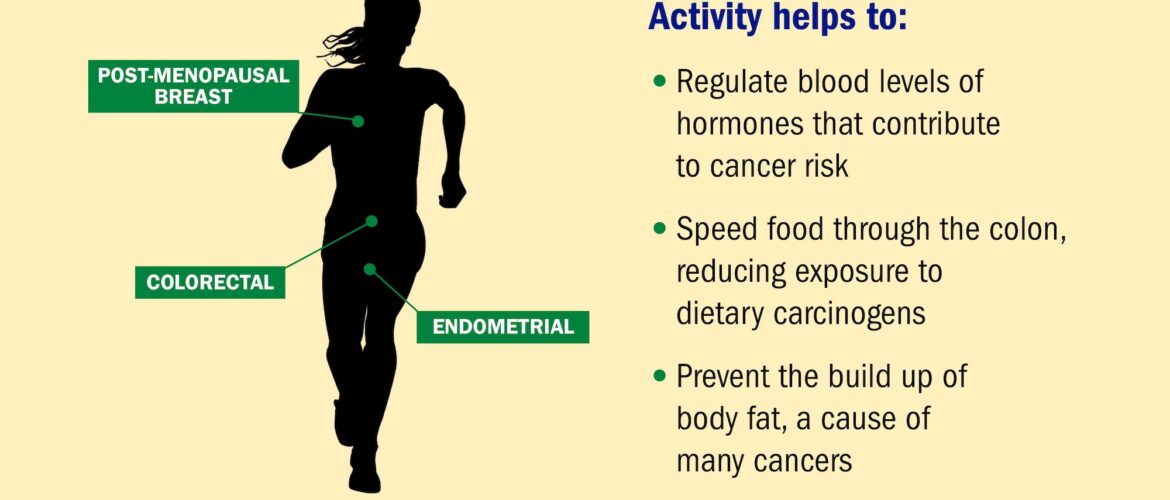
Staying active and as strong as possible is key to everyone’s health and wellbeing. Exercise should support your health at every stage of life.
Holly Kouvo is a personal trainer, functional aging specialist, senior fitness specialist, brain health trainer, writer, and speaker.